
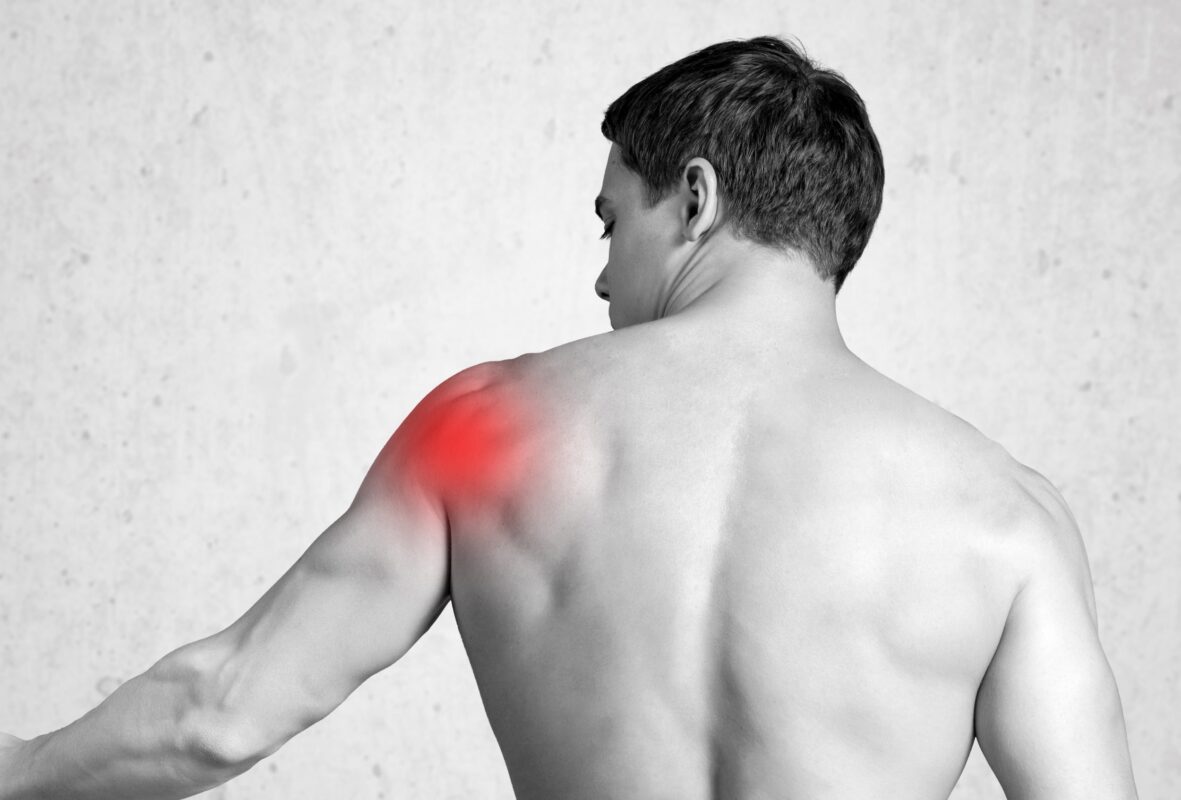
Upper Extremity
In the winter Evidence Center update for Upper Extremity there were 8 papers. A review published in Archives of Physical Medicine and Rehabilitation on thoracic manipulation for shoulder impingement was a highlight of the collection.
Latest Clinical Practice Guideline
Noninvasive management of soft tissue disorders of the shoulder: A clinical practice guideline from the Ontario Protocol for Traffic Injury Management (OPTIMa) collaboration
20 New Studies in 2025
Key Papers
Safety
What's the harm? Results of an active surveillance adverse event reporting system for chiropractors and physiotherapists
SHOULDER TREATMENT
Systematic Review of Nondrug, Nonsurgical Treatment of Shoulder Conditions
EXTREMITY MANIPULATION
Immediate impact of extremity manipulation on dual task performance: a randomized, crossover clinical trial
SPINE/SHOULDER SMT
Utilization of Manipulative Treatment for Spine and Shoulder Conditions Between Different Medical Providers in a Large Military Hospital
ADHESIVE CAPSULITIS
Effect of adding thoracic manipulation for the management of patients with adhesive capsulitis: a randomized clinical trial
Effect of manual therapy on muscle stiffness in patients with spinal accessory nerve injury
The study objective was to investigate the effects of manual therapy in a multimodal therapy program on neck and shoulder function pain and quality of life in head and neck cancer patients. The analysis was a prospective randomized controlled trials with over 26 patients with neck pain and compared to six commonly used biophysical agents. This included high-intensity laser therapy (HILT), extracorporeal shockwave therapy (ESWT), interferential current (IFC), transcutaneous electrical nerve stimulation (TENS), low-level laser therapy (LLLT), and therapeutic ultrasound. The results suggest that these modalities differ in effectiveness, and clinicians might prioritize them in roughly the following order based on current evidence: HILT > ESWT > IFC > TENS > LLLT > therapeutic ultrasound. This ranking reflects the estimated degree of pain reduction seen across studies. The authors conclude that manual therapy in addition to standard physiotherapy was beneficial in improving neck and shoulder pain and function. They suggest that the ranking would help to guide evidence-based selection of biophysical agents in neck pain rehabilitation. FREE FULL TEXT
The effectiveness of thoracic manipulation for subacromial impingement syndrome.
This systematic review and meta-analysis evaluated the effectiveness of thoracic spine manual therapy (TSMT) for individuals with subacromial impingement syndrome (SIS), a common shoulder condition that often causes pain, reduced function, and limited range of motion. The authors systematically searched multiple databases for randomized controlled trials comparing TSMT (either alone or as an adjunct) with physiotherapy alone or placebo controls. In total, 10 RCTs with 444 participants were included. The authors found that TSMT, delivered alone or in combination with physiotherapy, resulted in significant short- to intermediate-term improvements compared with control or placebo interventions. High-quality evidence demonstrated large reductions in shoulder pain at follow-ups ranging from 2 to 6 weeks and meaningful improvements in shoulder-related disability at intermediate time points. Moderate-quality evidence also supported gains in shoulder internal and external rotation. Overall, the findings indicate that thoracic spine manual therapy is an effective intervention for reducing pain and improving function and range of motion in people with subacromial impingement syndrome, particularly in the short to medium term. ABSTRACT
Effects of multimodal therapy on migraine
This three-arm randomized clinical trial evaluated the effects of a multimodal intervention combining manual therapies, cervical exercises, and therapeutic pain neuroscience education (MUG) compared with manual therapy alone (MTG) or pain neuroscience education alone (TEG) in 75 adults with migraine. Over a 12-week treatment period, all groups demonstrated significant improvements in headache impact (HIT-6), but the timing and magnitude differed: MTG showed early improvement at week 4, TEG surpassed MTG by week 12, and MUG achieved the most sustained reductions at follow-up. Multimodal treatment also led to superior improvements in headache frequency, intensity, neck pain, neck disability, allodynia, quality of life, pain catastrophizing, and kinesiophobia. These findings indicate that while all interventions were effective, the multimodal approach provided the greatest and most durable benefits for both headache and neck-related outcomes, as well as psychosocial measures. FREE FULL TEXT
Effect of Mulligan mobilization (MM) vs corticosteroid injection for rotator cuff tears (RCT)
A 2025 RCT with 60 patients with RCTs investigated the effect of Mulligan mobilization compared with corticosteroid injections. Results indicated that MM showed significantly better results for pain, ROM and proprioception, but both treatment methods were successful for short-term outcomes. The authors concluded that the MM approach combined with conventional exercises seems to be a more effective approach for improving shoulder pain, function, and proprioception in this patient population. ABSTRACT
Effect of single modality vs multimodal treatment of rotator cuff pain
A 2025 systematic review and network meta‑analysis compared the effect of combination physical therapy (exercise plus manual therapy) vs single‑modality treatments for adults with rotator cuff related shoulder pain (RCRSP). 11 RCTs (n=548) RCTs were included. Results showed that combination therapy tended to show the greatest improvements in both pain intensity and shoulder function at 12 weeks compared with other approaches, although the confidence intervals were wide and crossed the null, indicating statistical uncertainty. Exercise therapy alone provided moderate functional benefits, and Kinesio taping showed moderate effects on pain relief, but these did not reach clear statistical significance. The authors concluded that exercise plus manual therapy appears to be the most promising non‑invasive treatment for pain and functional improvement in RCRSP, but emphasized the need for larger, high‑quality trials to confirm these findings and establish long‑term effectiveness. FREE FULL TEXT
Effect of mobilization with movement (MWM) and exercise for lateral elbow tendinopathy (LET)
A 2025 assessor‑blinded randomized crossover trial of 24 participants investigated the analgesic effects of MWM combined with exercise compared with exercise alone for LET. Results indicated that provided hypoalgesia during exercise, whereas performing the same exercise without MWM did not produce an analgesic effect. This suggests that the addition of manual therapy techniques like MWM may enhance the immediate pain‑reducing benefits of exercise in this patient population, potentially making rehabilitation more comfortable and effective and increase patient adherence. FREE FULL TEXT
Effect of exercise on fear of falling and number of falls in osteoporotic and osteopenia patients
A 2025 systematic review and meta-analysis investigated the effects of exercise training including balance training and aerobic training on fear of falling (FOF) and number of falls (NoF). 14 RCTs were included. There was a generally high risk of bias reported with selective reporting of results. Results of the meta-analysis indicated that exercise training reduced FOF and fall incidence in older patients with osteoporosis or osteopenia. The authors recommend inclusion of tailored exercises for fall prevention. ABSTRACT
Effect of assisted soft tissue mobilization (IASTM) for post-rotator cuff repair
A 2025 double-blind RCT of 33 patients 4 weeks after surgery evaluated the impact of adding IASTM to standard postoperative rehabilitation after arthroscopic rotator cuff repair. Results showed that IASTM plus conventional therapy yielded significantly greater improvements in pain at rest, activity, and night, better shoulder range of motion, and higher functional scores after 4 weeks compared with conventional therapy alone. Both groups improved in kinesiophobia but differences between groups were not statistically significant. Incorporating IASTM into rehabilitation protocols can enhance short-term outcomes, specifically reduce pain and improve shoulder mobility and function beyond what conventional therapy alone achieves. ABSTRACT
Physical harms with suprascapular nerve block intervention for nonsurgical management of acute or chronic shoulder pain
A 2025 systematic review explored the prevalence of harm with suprascapular nerve blocks for shoulder pain. 111 studies were included and 168 episodes of harm across 4142 participants were reported. Results showed a range of severity, from pneumothorax, transient motor weakness to localized pain and bruising. Although the incidence of harm was low, there were also poor outcomes reported. The risk of physical harm should be considered and the patient informed for full disclosure and informed consent. FREE FULL TEXT
Effect of Mulligan’s Mobilization with Movement (MWM) for shoulder conditions
A 2025 systematic review and meta-analysis assessed the effect of MWM vs other physical therapy interventions. 27 studies (n=1157) were included. Outcomes included pain, function and range of motion. Results indicated that MWM was as effective for pain intensity and shoulder abduction as other physical therapy interventions, with no clinically significant difference. ABSTRACT
Effect of thoracic spinal thrust manipulation for shoulder impingement syndrome (SIS)
A 2025 systematic review and meta-analysis evaluated the effectiveness of thoracic spine thrust manipulation for SIS. 14 RCTs (n=749) were included. Results showed no significant improvement in clinical outcomes after thoracic spinal thrust manipulation. The authors concluded that multimodal treatment with exercise and other therapies for management of SIS. ABSTRACT
Effect of trigger point manual therapy (TPT) for rotator cuff (RC) pain
A 2025 systematic review addressed the effect of TPT for RC shoulder pain. Primary outcomes consisted of pain intensity and function. Secondary outcomes included pressure pain threshold (PPT) and number of myofascial trigger points (MTrP). 7 studies were included in the meta-analysis. Results showed that TPT were effective for pain in the short-term. TPT was as effective for pain as other passive treatments and more effective for functional improvement. The authors concluded that TPT may be recommended as part of a comprehensive treatment program. ABSTRACT
Timing of return-to-play (RTP) for ulnar collateral ligament injuries
A 2025 systematic review investigated the appropriate timing for RTP and rehabilitation of ulnar collateral ligament. 105 articles were included (n=15,928; 15,077 surgical and 851 nonsurgical). Results showed a mean clearance for active range of motion of 15 days, full range of motion 40 days, and elbow strengthening exercises 32 days. Mean time to throwing activities was 120 days. Nonsurgical patients started all activities earlier than surgical patients. FREE FULL TEXT
Effect of modified posterior shoulder stretching exercises (PSSE) on shoulder function in subacromial impingement syndrome (SIS)
A 2025 meta-analysis evaluated the effect of PSSE for SIS. 10 RCTs (n=628) were included. Outcomes included pain, range of motion, and function. Results indicated that PSSE significantly improved shoulder function and reduced pain in SIS, supported by studies with a low risk of bias and high quality. FREE FULL TEXT
Effect of corticosteroid injections (CI) vs physical therapy (PT) for rotator cuff tendinopathy
A 2025 systematic review and meta-analysis assessed the effect of CI vs PT. 15 RCTs (n=1785) were included. Outcomes included pain and function. The results showed that CI alone was not more effective than PT. When CI was combined with PT there was a small to moderate improvement in pain and function over the short term when compared to CI alone. ABSTRACT
Effect of platelet-rich plasma (PRP) for rotator cuff tendinopathy
A systematic review and meta-analysis investigated the effectiveness of PRP compared to placebo or other treatments. 30 studies (n=2500) were included. Results indicated that PRP significantly reduced pain and improved function in the short term when compared to placebo, standard physical therapy or corticosteroid injections. Long-term benefits were limited. FREE FULL TEXT
Effect of conservative treatment on carpal tunnel syndrome (CTS)
A 2025 systematic review and meta-analysis analyzed the effect of manual therapy, massage, and acupuncture on mild to moderate CTS. 14 articles (n=110) were included. Outcomes included function, symptom severity, pain and sensory nerve conduction velocity (SNCV). Results found that manual therapy, massage and acupuncture effectively improved symptom severity, functional status, pain and SNCV in mild/moderate CTS. FREE FULL TEXT
Effect of lymphatic drainage techniques (LDT) on carpal tunnel syndrome
A 2025 systematic review and meta-analysis evaluated the effectiveness of LDT (such as manual lymphatic drainage or kineseotaping) on CTS patients. 12 studies (n=479) were included. Outcomes were functional outcome scales, hand grip, median cross-sectional area, motor nerve conduction (MNCV) and sensory conduction velocities (SNCV). Results indicated that LDT techniques offer a promising non-invasive approach for CTS, decreasing pain, reducing edema, and enhancing nerve conduction. While intra-group improvements were notable, limited between-group differences were observed. FREE FULL TEXT
Effect of conservative treatments of carpal tunnel syndrome
A 2025 systematic review and network meta-analysis evaluated the comparative efficacy of various conservative treatments for carpal tunnel syndrome (CTS), including manual therapy (MT), local steroid injections, platelet-rich plasma (PRP) injections, extracorporeal shock wave therapy, and low-level laser therapy, through a comprehensive network meta-analysis. 49 RCTs involving 11 conservative treatments and 3323 participants were included. The network meta-analysis showed that MT demonstrated the highest efficacy in both short-term and medium-term pain relief. Dextrose 5% in water and PRP were closely followed in terms of efficacy. Compared to control groups, low-level laser therapy and extracorporeal shock wave therapy also showed significant benefits. The authors concluded that MT and dextrose 5% in water injections are the most effective conservative treatments for CTS. FREE FULL TEXT
Effect of high-intensity laser therapy (HILT) for De Quervain’s tenosynovitis (DQT)
A 2025 systematic review and meta-analysis evaluated the analgesic effect of HILT (>500mW) on DQT. 3 studies were included. Results showed no significant difference between HILT and control groups for pain intensity and disability. The authors concluded that the evidence does not support the superiority of HILT over conventional treatments such as splinting or exercise for treatment of DQT. ABSTRACT
Upper Extremity—January-June 2025 Update
Additional upper extremity citations may be listed in the “Soft Tissue Conditions” summary.
Physical harms with suprascapular nerve block intervention for nonsurgical management of acute or chronic shoulder pain
A 2025 systematic review explored the prevalence of harm with suprascapular nerve blocks for shoulder pain. 111 studies were included and 168 episodes of harm across 4142 participants were reported. Results showed a range of severity, from pneumothorax, transient motor weakness to localized pain and bruising. Although the incidence of harm was low, there were also poor outcomes reported. The risk of physical harm should be considered and the patient informed for full disclosure and informed consent. FREE FULL TEXT
Effect of Mulligan’s Mobilization with Movement (MWM) for shoulder conditions
A 2025 systematic review and meta-analysis assessed the effect of MWM vs other physical therapy interventions. 27 studies (n=1157) were included. Outcomes included pain, function and range of motion. Results indicated that MWM was as effective for pain intensity and shoulder abduction as other physical therapy interventions, with no clinically significant difference. ABSTRACT
Effect of thoracic spinal thrust manipulation for shoulder impingement syndrome (SIS)
A 2025 systematic review and meta-analysis evaluated the effectiveness of thoracic spine thrust manipulation for SIS. 14 RCTs (n=749) were included. Results showed no significant improvement in clinical outcomes after thoracic spinal thrust manipulation. The authors concluded that multimodal treatment with exercise and other therapies for management of SIS. ABSTRACT
Effect of trigger point manual therapy (TPT) for rotator cuff (RC) pain
A 2025 systematic review addressed the effect of TPT for RC shoulder pain. Primary outcomes consisted of pain intensity and function. Secondary outcomes included pressure pain threshold (PPT) and number of myofascial trigger points (MTrP). 7 studies were included in the meta-analysis. Results showed that TPT were effective for pain in the short-term. TPT was as effective for pain as other passive treatments and more effective for functional improvement. The authors concluded that TPT may be recommended as part of a comprehensive treatment program. ABSTRACT
Timing of return-to-play (RTP) for ulnar collateral ligament injuries
A 2025 systematic review investigated the appropriate timing for RTP and rehabilitation of ulnar collateral ligament. 105 articles were included (n=15,928; 15,077 surgical and 851 nonsurgical). Results showed a mean clearance for active range of motion of 15 days, full range of motion 40 days, and elbow strengthening exercises 32 days. Mean time to throwing activities was 120 days. Nonsurgical patients started all activities earlier than surgical patients. FREE FULL TEXT
Effect of modified posterior shoulder stretching exercises (PSSE) on shoulder function in subacromial impingement syndrome (SIS)
A 2025 meta-analysis evaluated the effect of PSSE for SIS. 10 RCTs (n=628) were included. Outcomes included pain, range of motion, and function. Results indicated that PSSE significantly improved shoulder function and reduced pain in SIS, supported by studies with a low risk of bias and high quality. FULL TEXT
Effect of corticosteroid injections (CI) vs physical therapy (PT) for rotator cuff tendinopathy
A 2025 systematic review and meta-analysis assessed the effect of CI vs PT. 15 RCTs (n=1785) were included. Outcomes included pain and function. The results showed that CI alone was not more effective than PT. When CI was combined with PT there was a small to moderate improvement in pain and function over the short term when compared to CI alone. ABSTRACT
Effect of platelet-rich plasma (PRP) for rotator cuff tendinopathy
A systematic review and meta-analysis investigated the effectiveness of PRP compared to placebo or other treatments. 30 studies (n=2500) were included. Results indicated that PRP significantly reduced pain and improved function in the short term when compared to placebo, standard physical therapy or corticosteroid injections. Long-term benefits were limited. FREE FULL TEXT
Effect of conservative treatment on carpal tunnel syndrome (CTS)
A 2025 systematic review and meta-analysis analyzed the effect of manual therapy, massage, and acupuncture on mild to moderate CTS. 14 articles (n=110) were included. Outcomes included function, symptom severity, pain and sensory nerve conduction velocity (SNCV). Results found that manual therapy, massage and acupuncture effectively improved symptom severity, functional status, pain and SNCV in mild/moderate CTS. FREE FULL TEXT
Effect of lymphatic drainage techniques (LDT) on carpal tunnel syndrome
A 2025 systematic review and meta-analysis evaluated the effectiveness of LDT (such as manual lymphatic drainage or kineseotaping) on CTS patients. 12 studies (n=479) were included. Outcomes were functional outcome scales, hand grip, median cross-sectional area, motor nerve conduction (MNCV) and sensory conduction velocities (SNCV). Results indicated that LDT techniques offer a promising non-invasive approach for CTS, decreasing pain, reducing edema, and enhancing nerve conduction. While intra-group improvements were notable, limited between-group differences were observed. FREE FULL TEXT
Effect of conservative treatments of carpal tunnel syndrome
A 2025 systematic review and network meta-analysis evaluated the comparative efficacy of various conservative treatments for carpal tunnel syndrome (CTS), including manual therapy (MT), local steroid injections, platelet-rich plasma (PRP) injections, extracorporeal shock wave therapy, and low-level laser therapy, through a comprehensive network meta-analysis. 49 RCTs involving 11 conservative treatments and 3323 participants were included. The network meta-analysis showed that MT demonstrated the highest efficacy in both short-term and medium-term pain relief. Dextrose 5% in water and PRP were closely followed in terms of efficacy. Compared to control groups, low-level laser therapy and extracorporeal shock wave therapy also showed significant benefits. The authors concluded that MT and dextrose 5% in water injections are the most effective conservative treatments for CTS. FREE FULL TEXT
Effect of high-intensity laser therapy (HILT) for De Quervain’s tenosynovitis (DQT)
A 2025 systematic review and meta-analysis evaluated the analgesic effect of HILT (>500mW) on DQT. 3 studies were included. Results showed no significant difference between HILT and control groups for pain intensity and disability. The authors concluded that the evidence does not support the superiority of HILT over conventional treatments such as splinting or exercise for treatment of DQT. ABSTRACT
Upper Extremity — July-December 2024 Update
Additional upper extremity citations may be listed in the “Soft Tissue Conditions” summary.
General Upper Extremity
Effect of conservative interventions for obstetric brachial plexus palsy
A 2024 systematic review and meta-analysis assessed the effect of conservative therapies from an occupational therapy perspective for the treatment of the upper extremity in newborns and children with obstetric brachial plexus palsy (OBPP). 22 reviews and meta-analyses of children from birth through 12 years of age with a diagnosis of OBPP were included in the analysis. Results indicated that early therapeutic intervention was important. Effective treatment techniques included Constraint-Induced Movement Therapy (CIMT), splinting, joint manipulation, and neuromuscular electrical stimulation (NMES). These treatment methods showed significant improvement compared to other methods. FREE FULL TEXT
High-intensity versus low-level laser for musculoskeletal disorders
A 2024 systematic review evaluated the current evidence comparing low-level to high-level laser therapy for musculoskeletal disorders. 12 RCT articles with 704 participants were included in the review; conditions included tennis elbow, carpal tunnel syndrome, chronic non-specific low back pain, knee arthritis, plantar fasciitis, and subacromial impingement. There were no statistical differences between the two interventions in pain, electrophysiological parameters, level of disability, quality of life, postural sway or pressure algometer. However, low-level laser therapy showed superiority in increasing grip strength compared to high-intensity laser therapy, while results significantly favored high-intensity laser therapy with respect to the long head of biceps diameter and cross-sectional area, supraspinatus thickness, and echogenicity and acromion-humeral distance. The authors concluded that current evidence suggests no superiority of either type of laser therapy in musculoskeletal disorders. FREE FULL TEXT
Effect of blood flow restriction with resistance training on strength and size of upper limb muscles
A 2024 systematic review assessed the effect of Blood Flow Restriction (BFR) on muscle strength and size of upper limb muscles. 23 studies were included in the analysis. Results demonstrated that resistance training with either high or low load resistance with BFR resulted in greater local, proximal, and distal gains in muscle size and strength compared to resistance training without BFR. ABSTRACT
Effect of transcutaneous electrical acupoint stimulation for upper limb post-stroke motor recovery
A 2024 systematic review and meta-analysis assessed the effect of transcutaneous electrical acupoint stimulation (TEAS) on post-stroke motor recovery. 16 trials with 1,218 stroke patients were included in the analysis. Results indicated that TEAS significantly improved upper limb motor function and functional activities and reduced muscle tone in post-stroke patients. FREE FULL TEXT
Minimal clinically important difference of the DASH and Quick DASH
A 2024 systematic review and meta-analysis evaluated the minimal clinically important difference (MCID) for the validity of the tool, Disability Instrument for the Arm, Shoulder, and Hand (DASH). In 2005, the Quick DASH was developed as a shortened version. 12 studies involving 1677 participants were included in the analysis. The reasonable MCID ranged from 12-14 points in the DASH and 12-15 points in the Quick DASH. FREE FULL TEXT
Effect of Kinesiotape on upper extremity function in children with cerebral palsy
A 2024 systematic review assessed the effect of Kinesiotape (KT) for improving upper extremity (UE) function in children and adolescents with cerebral palsy (CP). 5 randomized controlled trials were included in the analysis. Improvement in upper extremity function with significant improvement in range of motion was demonstrated in 3 studies. Fine motor skills were improved in 2 studies, and 1 study showed improved grip strength, gross motor function, and spasticity. The study concluded that KT showed improvement in UE function. FREE FULL TEXT
Shoulder
Effect of Mulligan’s Mobilization with Movement (MWM) for shoulder conditions
A 2024 systematic review and meta-analysis assessed the effect of MWM compared to other interventions for shoulder conditions. 27 RCTs with 1157 participants were included in the analysis. The authors concluded that although some statistical significance was found, the differences were not clinically significant. ABSTRACT
Effect of kinetic chain factors in shoulder pain
A 2024 systematic review and meta-analysis investigated the quality of the evidence of the effect of the kinetic chain in non-athletes with shoulder pain. 6 cross-sectional studies involving 562 patients, of which 282 had shoulder pain, were included in the analysis. There was very low-quality evidence that shoulder pain may present with a lower active range of motion and muscular endurance and strength of the cervical spine, thoracolumbar spine, and hip. Cervical isometric strength did not differ between the shoulder pain and non-shoulder pain groups. The authors concluded that a broader physical assessment of the kinetic chain may be relevant for non-athlete shoulder pain patients. FREE FULL TEXT
Effect of high-intensity laser therapy (HILT) on subacromial impingement syndrome
A 2024 systematic review and meta-analysis assessed the effect of HILT on subacromial impingement syndrome. 5 RCTs and 1 controlled clinical trial (284 patients) were included in the analysis. Compared to conventional therapy, HILT showed significantly better outcomes. ABSTRACT
Effect of acupuncture and physical therapy for frozen shoulder
A 2024 systematic review and meta-analysis investigated the effect of combining acupuncture with physical therapy treatment for frozen shoulder syndrome. 13 studies were included in the analysis. Results indicated that the combined treatment approach significantly reduced pain and improved clinical effectiveness rates. Significant improvements were also observed in the active and passive range of motion, with varying degrees of heterogeneity. The authors concluded that the combination of acupuncture and physical therapy is more effective than physical therapy alone in managing pain, improving clinical effectiveness rates, and enhancing the range of motion in patients with frozen shoulders. ABSTRACT
Effect of end-range mobilization for adhesive capsulitis (AC)
A 2024 systematic review and meta-analysis assessed the effect of end-range manual therapy vs other conservative interventions on pain, range of motion (ROM), and physical function in adhesive capsulitis. 10 RCTs with 424 adult patients were included in the analysis. End-range mobilization showed improvements in pain, shoulder abduction, internal/external rotation, and physical function when compared to other conservative treatments. This was noted in both the short-term and medium-term for AC. It should be noted that the certainty of evidence was rated very low for all outcome measures. The authors recommended the use of manual therapy for adhesive capsulitis. ABSTRACT
Effect of trigger point manual therapy (TPMT) for rotator cuff-related shoulder pain
A 2024 systematic review and meta-analysis evaluated the effect of TPMT on rotator cuff-related shoulder pain (RCRSP). 7 studies were included in the systematic review and 7 in the meta-analysis. Results showed no statistical difference in pain reduction in the short term, but shoulder function was statistically improved in TPMT compared to controls. TPMT of active trigger points of RCRP appears effective in the short-term (3 days-12 wks) for pain and more effective for functional improvement. TPMT may be recommended as part of a multimodal program for RCRSP. ABSTRACT
Effect of manual therapy on rotator cuff injury
A 2024 systematic review and meta-analysis evaluated the effects of manual therapy (MT) on pain and functional improvement in the treatment of patients with rotator cuff injury (RCI). 24 RCTs with 1110 participants were included in the analysis. Results indicated that MT did not effectively relieve pain when compared to placebo. However, there was a limited impact on functional improvement. MT combined with exercise was significantly more effective than exercise alone for improvement in pain and function. Additional benefits were noted when MT was combined with multimodal physiotherapy. MT is, therefore, a pivotal component of the therapeutic intervention for RCI when combined with other therapies. FREE FULL TEXT
Extracorporeal shockwave therapy for non-calcific rotator cuff tendinopathy
A 2024 systematic review and meta-analysis assessed the short-, intermediate-, and long-term effects of extracorporeal shockwave therapy (EST) on pain and shoulder function in rotator cuff tendinopathy patients. 9 studies with 543 participants were included in the analysis. Results indicated that EST was superior to sham EST in improving pain in the short term with a small effect size but not superior in the intermediate and long term. However, it was not successful in improving shoulder function at any point in follow-up. EST also failed to be superior to other treatments in improving shoulder pain and function. It appears that EST is mainly palliative in nature when treating rotator cuff tendinopathy. FREE FULL TEXT
Best management of partial-thickness rotator cuff tear
A 2024 scoping review provided an overview of the evidence for best management (surgical and conservative) of partial thickness tear of the rotator cuff. 28 level 1 studies, 1 systematic review, 4 meta-analyses, and 1 network meta-analysis were included in the best evidence synthesis. Nonoperative strategies included exercise therapy and physical modalities. Operative interventions consisted of debridement, shaving of the tendon and footprint, trans-tendon repair, and suture anchor. The study revealed the the superiority of nonoperative management over surgical intervention, although both types of management resulted in decreased pain and improved functional outcomes. The study concluded that since surgery was more invasive and costly, with a higher risk of complication, conservative management should be considered as an option. ABSTRACT
Effect of scapular retraction exercises with/without glenohumeral rotational exercises for subacromial pain syndrome
A 2024 double-blinded randomized controlled trial of 33 patients with subacromial pain syndrome evaluated progressive scapular retraction exercises (SRE) and glenohumeral rotation exercises (GRE) for a scapular stabilization program over a 12-week supervised rehabilitation program that included exercise and manual therapy. Results indicated that progressive SRE and GRE lessened the symptoms and improved AHD in the subacromial pain syndrome patients to a greater degree than the group that had scapula stabilization exercise only. FREE FULL TEXT
Multimodal physiotherapy for shoulder pain
A 2024 systematic review and meta-analysis evaluated combined modalities vs exercise-only treatment of shoulder pain. 20 articles were included in the analysis. Therapeutic exercise was found to be the cornerstone of shoulder pain treatment, with laser therapy demonstrating substantial additional benefits. There was also some benefit to adding manual therapy and education, but these modalities did not show a great statistical benefit to exercise alone. FREE FULL TEXT
Effect of specific exercise therapy for chronic shoulder pain
A 2024 systematic review and meta-analysis assessed the effect of exercise therapy (ET) with or without other adjunctive physical therapies when added to usual medical care (UMC) for adults with chronic shoulder pain. 54 studies involving 3893 participants followed up to 52 weeks were included in the analysis. Shoulder-specific exercises alone or in combination with electro-physical agents (PT), injections, or manual therapy were compared to usual medical care. Shoulder-specific exercises targeted the rotator cuff and scapular muscles. Physical therapy included TENS, ultrasound, laser, IFC, microwave diathermy, extracorporeal shockwave, thermotherapy, and dry needling. Manual therapy included soft tissue massage, joint mobilization, and ischemic trigger point compression. Injections included corticosteroid, prolotherapy, and platelet-rich plasma. Usual medical care included pharmaceutical therapy, information,n and recommendations. Results indicated that shoulder-specific ET provided pain relief up to 52 weeks; adding adjunct therapies added little value in reducing pain. FREE FULL TEXT
Effect of scapular stabilization exercises for subacromial impingement syndrome
A 2024 systematic review and meta-analysis evaluated the effect of scapular stabilization exercises (SSE) on subacromial pain syndrome (SAPS). 8 randomized controlled trials involving 387 participants were included in the analysis. Results provide moderate support for SSE in reducing pain and improving function for SAPS, despite a lack of improvement in ROM. It is therefore recommended as part of conservative management in the initial treatment of SAPS. FREE FULL TEXT
Elbow, Wrist and Hand
Distal radius fracture rehabilitation
A 2024 clinical practice guideline made recommendations on the diagnosis, prognosis, outcome assessment, and management for rehabilitation of distal radius fractures (DRF). DRF is one of the most common fall-related fractures in middle aged and older adults. These fractures are also a sign of poor bone health and a predictor of future hip fractures. Outcomes can be evaluated by use of range of motion, grip strength, pinch strength, and wrist joint position sense. The therapy should consist of hand, wrist and shoulder range of motion exercises and light activities within the 3 weeks of post-surgical care. Submaximal progressive strengthening may begin at 2 weeks post-surgical repair. Supervised therapy should be >1 x/wk supplemented by home exercise. Manual therapies may be utilized for edema control and to improve AROM. Therapeutic modalities recommended include laser therapy, pulsed electromagnetic field, warm whirlpool, hot packs and cold packs. FREE FULL TEXT
Effect of high-intensity laser therapy for carpal tunnel syndrome
A 2024 systematic review and meta-analysis investigated the short- and long-term outcomes of high-intensity (greater than 500mW) Laser Therapy (HILT). Although Low-Intensity Laser Therapy (LILT) has been shown to be more effective than placebo in the short term, the efficacy of HILT has conflicting results in the literature. Studies followed up for at least 4 weeks were included, with a total of 309 participants. HILT was compared to transcutaneous electrical stimulation (TENS), Low-Intensity Laser Therapy (LILT), and therapeutic exercise (TEX). Results showed moderate evidence for the efficacy of HILT compared to placebo, HILT + wrist splint, and exercise in a short period of follow-up time but evidence on long-term follow-up is limited. ABSTRACT
Upper Extremity — January-June 2024 Update
Additional upper extremity citations may be listed in the “Soft Tissue Conditions” summary.
General Upper Extremity
The minimal clinically important difference between the DASH and Quick DASH
A 2024 systematic review and meta-analysis evaluated the minimal clinically important difference (MCID) for the validity of the tool, Disability Instrument for the Arm, Shoulder, and Hand (DASH). In 2005, the Quick DASH was developed as a shortened version. Twelve studies involving 1677 participants were included in the analysis. The reasonable MCID ranged from 12-14 points in the DASH and 12-15 points in the Quick DASH. FREE FULL TEXT
Effect of Kinesiotape on upper extremity function in children with cerebral palsy
A 2024 systematic review assessed the effect of Kinesiotape (KT) for improving upper extremity (UE) function in children and adolescents with cerebral palsy (CP). 5 randomized controlled trials were included in the analysis. Improvement in upper extremity function with significant improvement in range of motion was demonstrated in 3 studies. Fine motor skills were improved in 2 studies, and 1 study showed improved grip strength, gross motor function, and spasticity. The study concluded that KT showed improvement in UE function. FREE FULL TEXT
Shoulder
Effect of manual therapy on rotator cuff injury
A 2024 systematic review and meta-analysis evaluated the effects of manual therapy (MT) on pain and functional improvement in the treatment of patients with rotator cuff injury (RCI). 24 RCTs with 1110 participants were included in the analysis. Results indicated that MT did not effectively relieve pain when compared to placebo. However, there was a limited impact on functional improvement. MT combined with exercise was significantly more effective than exercise alone for improvement in pain and function. Additional benefits were noted when MT was combined with multimodal physiotherapy. MT is, therefore, a pivotal component of the therapeutic intervention for RCI when combined with other therapies. FREE FULL TEXT
Extracorporeal shockwave therapy for non-calcific rotator cuff tendinopathy
A 2024 systematic review and meta-analysis assessed the short-, intermediate-, and long-term effects of extracorporeal shockwave therapy (EST) on pain and shoulder function in rotator cuff tendinopathy patients. 9 studies with 543 participants were included in the analysis. Results indicated that EST was superior to sham EST in improving pain in the short term with a small effect size but not superior in the intermediate and long term. However, it was not successful in improving shoulder function at any point in follow-up. EST also failed to be superior to other treatments in improving shoulder pain and function. It appears that EST is mainly palliative in nature when treating rotator cuff tendinopathy. FREE FULL TEXT
Best management of partial-thickness rotator cuff tear
A 2024 scoping review provided an overview of the evidence for best management (surgical and conservative) of partial thickness tear of the rotator cuff. 28 level 1 studies, one systematic review, four meta-analyses, and one network meta-analysis were included in the best evidence synthesis. Nonoperative strategies included exercise therapy and physical modalities. Operative interventions consisted of debridement, shaving of the tendon and footprint, trans-tendon repair, and suture anchor. The study revealed the superiority of nonoperative management over surgical intervention, although both types of management resulted in decreased pain and improved functional outcomes. The study concluded that since surgery was more invasive and costly, with a higher risk of complication, conservative management should be considered as an option. ABSTRACT
Effect of scapular retraction exercises with/without glenohumeral rotational exercises for subacromial pain syndrome
A 2024 double-blinded randomized controlled trial of 33 patients with subacromial pain syndrome evaluated progressive scapular retraction exercises (SRE) and glenohumeral rotation exercises (GRE) for a scapular stabilization program over a 12-week supervised rehabilitation program that included exercise and manual therapy. Results indicated that progressive SRE and GRE lessened the symptoms and improved AHD in the subacromial pain syndrome patients to a greater degree than the group that had scapula stabilization exercise only. FREE FULL TEXT
Multimodal physiotherapy for shoulder pain
A 2024 systematic review and meta-analysis evaluated combined modalities vs exercise-only treatment of shoulder pain. 20 articles were included in the analysis. Therapeutic exercise was found to be the cornerstone of shoulder pain treatment, with laser therapy demonstrating substantial additional benefits. There was also some benefit to adding manual therapy and education, but these modalities did not show a great statistical benefit to exercise alone. FREE FULL TEXT
Effect of specific exercise therapy for chronic shoulder pain
A 2024 systematic review and meta-analysis assessed the effect of exercise therapy (ET) with or without other adjunctive physical therapies when added to usual medical care (UMC) for adults with chronic shoulder pain. 54 studies involving 3893 participants followed up to 52 weeks were included in the analysis. Shoulder-specific exercises alone or in combination with electro-physical agents (PT), injections, or manual therapy were compared to usual medical care. Shoulder-specific exercises targeted the rotator cuff and scapular muscles. Physical therapy included TENS, ultrasound, laser, IFC, microwave diathermy, extracorporeal shockwave, thermotherapy, and dry needling. Manual therapy included soft tissue massage, joint mobilization, and ischemic trigger point compression. Injections included corticosteroids, prolotherapy, and platelet-rich plasma. Usual medical care included pharmaceutical therapy, information, and recommendations. Results indicated that shoulder-specific ET provided pain relief for up to 52 weeks; adding adjunct therapies added little value in reducing pain. FREE FULL TEXT
Effect of scapular stabilization exercises for subacromial impingement syndrome
A 2024 systematic review and meta-analysis evaluated the effect of scapular stabilization exercises (SSE) on subacromial pain syndrome (SAPS). 8 randomized controlled trials involving 387 participants were included in the analysis. Results provide moderate support for SSE in reducing pain and improving SAPS function despite a lack of improvement in ROM. It is therefore recommended as part of conservative management in the initial treatment of SAPS. FREE FULL TEXT
Elbow, Wrist and Hand
Effect of high-intensity laser therapy for carpal tunnel syndrome
A 2024 systematic review and meta-analysis investigated the short- and long-term outcomes of high-intensity (greater than 500mW) Laser Therapy (HILT). Although Low-Intensity Laser Therapy (LILT) has been shown to be more effective than placebo in the short term, the efficacy of HILT has conflicting results in the literature. Studies followed up for at least four weeks were included, with a total of 309 participants. HILT was compared to transcutaneous electrical stimulation (TENS), Low-Intensity Laser Therapy (LILT), and therapeutic exercise (TEX). Results showed moderate evidence for the efficacy of HILT compared to placebo, HILT + wrist splint, and exercise in a short period of follow-up time, but evidence for long-term follow-up is limited. ABSTRACT
Upper Extremity — December 2023
Shoulder
Effect of high-intensity laser therapy for Frozen Shoulder Syndrome
A 2023 systematic review and meta-analysis investigated the effect of high-intensity laser therapy (HILT) on frozen shoulder syndrome compared with conventional physical therapy (CPT). 5 RCTs were included in the meta-analysis. HILT was superior to CPT for pain intensity and disability, but CPT was superior to HILT for improving range of motion. The authors concluded that integration of HILT with CPT is likely to have the best outcome. FREE FULL TEXT
Exercise for management of “massive” rotator cuff tears
A 2023 systematic review evaluated the effect of exercise on massive rotator cuff tear (MRCT)injuries. Randomized and non-randomized trials were include, as well as case series and cohort studies, with serious to moderate risk of bias. The authors concluded that there is limited evidence that exercise is effective in the management of MRCT. ABSTRACT
Extracorporeal shock-wave therapy for non-calcific rotator cuff tendinopathy
A 2023 systematic review and meta-analysis investigated the effects of Extracorporeal Shock Wave Therapy (ESWT) on non-calcific rotator cuff tendinopathy. 9 studies were included, with a total of 534 patients. Results indicated that ESWT was superior to sham in improving pain intensity in the short term but not in the long term. ESWT also was not superior to other treatments in pain management in the short or intermediate term. ESWT did not improve shoulder function. The study concluded that only a small improvement in shoulder pain was provided with ESWT in the short term. ABSTRACT
Exercise, diet, and sleep disorders treatment for chronic shoulder pain
A 2023 systematic review assessed the effect of diet, exercise, and sleep disorder treatment for chronic shoulder pain. 17 articles were included. Results confirmed that exercise generates a hypoalgesia effect that improves pain, functionality, and quality of life. There was a lack of evidence that diet or sleep influenced chronic shoulder pain. FREE FULL TEXT
Effectiveness of manual therapy combined with exercise for rotator cuff pain.
A 2023 systematic review and meta-analysis investigated the effect of manual therapy (MT) with exercise therapy for rotator cuff 12 articles were included; most were of high methodological quality. Results showed that there was no significant difference in pain or shoulder function between the MT & exercise group and the exercise alone group. The authors concluded that adding MT to exercise for rotator cuff pain was not more effective than exercise alone. ABSTRACT
Use of end-range mobilization for primary adhesive capsulitis
A 2023 systematic review and meta-analysis investigated the effect of end-range mobilization on adhesive capsulitis. 10 RCTs were included, with a total of 424 patients. Outcomes measured included pain, range of motion, and physical function. All outcomes were improved using grade 4 mobilization of the glenohumeral joint when compared to other conservative interventions for both short and medium-term follow-ups. The authors concluded that very low certainty evidence suggests that end-range mobilization techniques improve pain intensity, shoulder ROM, and physical function in the short and medium term in adhesive capsulitis. ABSTRACT
Dry needling with electrical stimulation for musculoskeletal shoulder pain
A 2023 systematic review and meta-analysis assessed the effectiveness and safety of dry needling with electrical stimulation (DNES) for musculoskeletal shoulder pain. DNES was examined with and without conventional physical therapy (CPT). 5 RCTs were included. Although pain was improved, the difference between groups was not statistically significant. The authors concluded that DNES did not provide significant improvement in pain or disability compared to CPT alone. FREE FULL TEXT
Effect of scapular mobilization for adhesive capsulitis
A 2023 systematic review and meta-analysis assessed the effect of scapular mobilization on range of motion (ROM) and pain intensity in primary adhesive capsulitis. 6 trials were included. No studies found significant benefits of scapular mobilization on ROM, disability, or pain intensity compared with other manual therapies or other treatments, although the quality of the evidence was very low. FREE FULL TEXT
Effect of hyaluronic acid joint injections for osteoarthritis (OA) of the glenohumeral joint
A 2023 systematic review and meta-analysis investigated the effect of injection of hyaluronic acid (HA) as a nonsurgical treatment for shoulder OA. 15 studies with a total of 1023 patients were included in the meta-analysis. Comparisons included physical therapy alone or combined with the injection. Results indicated that HA injections might be effective for pain relief. FREE FULL TEXT
Elbow/Wrist
The use of wrist manipulation for the treatment of lateral epicondylitis
A 2023 systematic review assessed the effect of wrist joint manipulation for lateral epicondylitis. 4 studies were included. Results indicated that wrist manipulation over 3 weeks of treatment was effective in reducing pain when compared to ultrasound therapy, laser therapy, friction massage, and exercise. The authors concluded that wrist manipulation had a positive effect on pain in the short term. ABSTRACT
Effect of Mulligan mobilization with movement or muscle energy technique for lateral elbow pain
A 2023 RCT investigated the effect of Mulligan mobilization with movement (MWM) and muscle energy technique (MET) on 45 patients with lateral elbow tendinopathy (LET), compared with a control group receiving home exercise only. Results indicated that both MWM and MET showed greater improvement in all outcomes compared to the control group. There was no significant difference between the 2 techniques. The authors concluded that MWM and MET, used in addition to home exercises, can be beneficial in alleviating pain and increasing grip strength, finger strength, and functionality. FULL TEXT
Effect of wrist manipulative therapy for lateral Epicondylitis
A 2023 systematic review of RCTs assessed the effect of manipulative therapy on patients with lateral epicondylitis. Four studies were included in the analysis. Results indicated that wrist manipulation over 3 weeks post-treatment was superior to any of the comparison treatments (ultrasound, laser therapy, friction massage, and exercises). ABSTRACT
Effect of high-intensity laser therapy on lateral epicondylitis
A 2023 systematic review and meta-analysis of RCTs evaluated the efficacy of high-intensity laser therapy versus other different modalities for improving lateral epicondylitis symptoms. Six RCTs with 344 patients were included in the analysis. Results indicated low-quality evidence that high-intensity laser therapy reduces pain intensity compared to control during activity and during rest. Low-quality evidence indicated that high-intensity laser therapy improves the physical component of quality of life compared with control. The authors concluded that although laser therapy is effective for pain reduction and improved physical quality of life, grip strength, hand function, and general quality of life did not show significant differences between high-intensity laser therapy and other therapies. ABSTRACT
Upper Extremity — January 2023 Update
General Upper Extremity
- A 2022 randomized controlled trial (RCT) assessed the efficacy of a core stability training program on upper extremity performance. 70 healthy collegiate athletes were assigned to either the control or the intervention group. The intervention consisted of a 5-week core stabilization training program, while the control group performed their regular training. Balance and throwing tests were utilized as outcome measures. The results showed that the core stabilization training improved the athletic performance parameters as compared to the control group. FREE FULL TEXT
- A 2022 systematic review evaluated the efficacy of percutaneous electrolysis for patients with tendinopathies. Percutaneous electrolysis utilizes a galvanic current connected to an acupuncture needle that is inserted into the tendon with the intention of stimulating healing via the inflammatory process. 14 articles that applied percutaneous electrolysis (PE) to various extremity tendinopathies were included. PE was more effective than controls in diminishing pain intensity, especially when combined with eccentric exercise training. FREE FULL TEXT
- A 2022 systematic review and meta-analysis assessed the effect of Constraint-Induced Movement Therapy (CIMT) on stroke patients with upper-limb hemiparesis. (In CIMT, the unaffected limb is constrained for 90% of the daytime to force the patient to utilize the affected limb. This technique induces central cortical excitation of the neurons and results in new neurological pathways to the muscles.) 21 studies were included in the review. The authors concluded that CIMT resulted in more significant gains in functional use of the upper limb when compared to conventional therapies. FREE FULL TEXT
Shoulder Conditions
- A 2022 systematic review and meta-analysis evaluated the additional benefits of manual therapy (MT) when added to exercise for rotator cuff-related shoulder pain (RCRSP). 12 randomized controlled trials were included. Outcomes were pain with movement, pain at rest, and shoulder function. The authors concluded that adding MT to an exercise intervention was not more effective than exercise alone in managing RCRSP in adults. ABSTRACT
- A 2022 systematic review and meta-analysis assessed the effects of mobilization with movement (MWM) for musculoskeletal shoulder disorders. 21 studies were included in the analyses. For both frozen shoulder and shoulder pain with movement dysfunction, the addition of MWM significantly improved pain, flexion ROM, abduction ROM, and disability. The majority of studies were found to have a high risk of bias. ABSTRACT
- A 2022 randomized controlled trial of 75 patients with shoulder impingement syndrome (SIP) investigated the effect of muscle energy technique (MET) applied to the thoracic spine on pain and disability in SIP. Each of the 3 groups received either MET, MET, and soft tissue massage or a placebo. There was a significant improvement in pain and disability in the MET-only group, while the MET+soft tissue massage group showed improvement in disability but not pain. The authors concluded that MET of the thoracic spine, with or without soft tissue massage, improved pain and disability in shoulder impingement syndrome. FREE FULL TEXT
Elbow
A 2022 randomized controlled trial (RCT) with 46 patients with elbow tendinopathy evaluated the effect of low-load resistance training (LLRT) with blood flow restriction (BFR) as compared to an LLRT with a sham BFR. Patients performed the exercise 2/week for 6 weeks and were followed up through 12 weeks. Results indicated that the intervention group had superior improvement over the control group in all outcomes. The authors concluded that LLRT with BFR may improve recovery from elbow tendinopathy. ABSTRACT
Lateral Epicondylitis
- A 2022 systematic review and meta-analysis evaluated the effect of high-intensity laser therapy (HILT) on symptoms of lateral epicondylitis. 6 RCTs were included, with a total of 344 patients. Results indicated that there is low-quality evidence that HILT (>500mW) provided a small reduction in pain intensity compared to a control group. The authors concluded that HILT was effective in reducing pain and improving quality of life. However, compared to other therapies did not show a significant difference in grip strength, hand function, or quality of life. ABSTRACT
- A 2022 randomized controlled trial investigated the effects of neuromobilization techniques compared to conservative rehabilitation on pain, grip strength, and functional status in 40 patients with lateral epicondylitis (LE). Results showed a significant decrease in all pain scores in favor of the neuromobilization group at week. No significant differences were found for grip strength, pinch strength, joint motions, and functional level in the neuromobilization group, although trends toward better improvement were observed. The authors concluded that radial nerve mobilization techniques are more effective on pain than conservative rehabilitation therapy. ABSTRACT
- A 2022 systematic review assessed the effect of physical therapy on lateral epicondylitis. 19 articles were included, of which 7 applied shock waves, 3 orthoses, 3 manual therapy techniques, 2 bandaging, 1 therapeutic exercise, 1 diacutaneous fibrolysis, 1 high-intensity laser, and 1 vibration. Results showed that manual therapy and eccentric strength training had the greatest beneficial effects, as well as a favorable cost-benefit ratio. FREE FULL TEXT
Wrist and Hand
Carpometacarpal Osteoarthritis
A 2022 systematic review and meta-analysis evaluated the effect of manual therapy on functional outcomes of in carpometacarpal osteoarthritis (OA) patients. 5 randomized controlled trials were included. The authors concluded that there was moderate to high evidence that MT showed a statistically significant, but not clinically significant, improvement in functional outcomes in the short term when compared to sham intervention. ABSTRACT
Carpal Tunnel Syndrome (CTS)
Manual therapy for carpal tunnel syndrome
- A 2022 systematic review and meta-analysis assessed the efficacy of manual therapy (MT) and related interventions for the treatment of carpal tunnel syndrome (CTS). Outcomes were measured via the Boston carpal tunnel questionnaire. 6 studies were included with a total of 422 patients. The meta-analysis indicated that the MT and related interventions were superior in improving the questionnaire symptom severity score and functional capacity scale as compared to the control group. ABSTRACT
- A 2022 systematic review and meta-analysis evaluated manual therapy for carpal tunnel syndrome. 6 studies involving 401 patients were included in the analysis. Pain intensity immediately after treatment showed a pooled standard mean difference (SMD) of – 2.13. Physical function with Boston Carpal Tunnel Syndrome Questionnaire (BCTS-Q) showed a pooled SMD of – 1.67 on symptom severity, and an SMD of – 0.89 on functional status. Nerve conduction studies showed an SMD of – 0.19 on motor conduction and an SMD of – 1.15 on sensory conduction. The authors concluded that manual therapy techniques based on soft tissue and neurodynamic mobilizations, in isolation, on pain, physical function, and nerve conduction studies in patients with CTS are effective. FREE FULL TEXT
- A 2022 randomized controlled trial compared the efficacy of the neurodynamic technique (NT) and carpal bone mobilization technique (CBMT) incorporated with tendon gliding exercises (TGE) for 30 patients with chronic CTS (both groups received tendon gliding exercises). Results indicated that the NT group was more effective than the CBMT for nerve conduction velocity and functional status of the hand. Both NT and CBMT were effective in improving pain and grip strength. FREE FULL TEXT
- A 2022 Bayesian network analysis of a randomized controlled trial of 104 women with CTS compared the effect of manual physical therapy including desensitization maneuvers of the central nervous system versus surgery in women with CTS. Results showed that manual physical therapy improved function in women with CTS and that early improvements (at 1 month) in function and symptom severity led to long-term (at 12 months) changes in related disability both directly and via complex pathways involving baseline pain intensity and depression levels. We found that allocation to a manual physical therapy group directly improved long-term function compared with surgery. FREE FULL TEXT
Upper Extremity — 2021 Update
Shoulder Conditions
- A 2021 Canadian Clinical Practice Guideline made recommendations for the noninvasive management of soft tissue disorders of the shoulder. Recommended treatment for shoulder pain included low-level laser therapy, multimodal care including heat, cold, range of motion exercises, spinal manipulation to the cervicothoracic spine for restricted joint movement, mobilization of the shoulder. Manipulation was not recommended as an adjunct to exercise based on 1 randomized controlled trial that concluded that it did not provide an added benefit. For conditions greater than 3 months’ duration, additional strengthening exercises and laser acupuncture are recommended and if necessary, pharmacological pain management. Shock-wave therapy should be considered for calcific tendonitis. The guideline recommends against ultrasound therapy, taping, interferential current therapy. ABSTRACT
- A 2021 systematic review of multiple databases looked at the prevalence of shoulder pain by age and occupation. The search covered from inception through January 2020 and included 20 studies involving 40,487 participants. Shoulder pain appeared to increase after age 50, and with more physically active occupations. These factors should be taken into consideration by clinicians when managing shoulder pain. FREE FULL TEXT
- A 2021 systematic review evaluated nonsurgical treatments for pain and function for subacromial conditions. There were 177 total eligible trials involving 6764 patients and 20 treatment options. Exercise and laser therapy were found to provide the greatest benefits for pain and function; laser showed the largest short-term effects. Most therapies showed small to moderate effects. Six treatments—acupuncture, manual therapy, exercise, exercise plus manual therapy, laser therapy, and Microcurrent (MENS & TENS)—showed the most short-term benefit for pain and function. Other therapies (ultrasound, taping, NSAIDS) had small effects. The authors concluded that manual therapy and exercise may have similar results to corticosteroid injection and arthroscopic subacromial decompression. FREE FULL TEXT
- A 2021 systematic review assessed mobilization with movement (MWM) for the management of shoulder musculoskeletal disorders. Twenty-one studies were included in the systematic review. MWM treatment for frozen shoulder showed significant improvement in the pain and multiple ROM. MWM was found to be associated with improved pain, mobility, and function in shoulder musculoskeletal disorders. ABSTRACT
- A 2021 systematic review and meta-analysis evaluated the role of joint hypermobility in relation to shoulder injuries in athletes. It found that athletes with joint hypermobility (shoulder hypermobility, ligament laxity, or instability) were 3 times more likely to have shoulder injuries than those without hypermobility. Injuries included traumatic dislocation, instability, or subluxation. FREE FULL TEXT
- A 2021 systematic review and meta-analysis evaluated the effects of trigger point dry needling on pain intensity and disability in nontraumatic shoulder pain. There was moderate-quality evidence that this therapy reduced shoulder pain intensity in the short term when compared to a comparison group. ABSTRACT
- A 2021 systematic review evaluated physical therapy treatments for adhesive capsulitis. These included acupuncture, cryo-therapy, mobilization, shock wave, stretching PNF, laser, ultrasound, exercise, manual therapies, and others. All therapies improved pain scores, but only whole body cryotherapy, Mulligan mobilization, shock wave stretching, continuous passive motion, rotator cuff strengthening, and lidocaine injection or nerve block in conjunction with physical therapy demonstrated significant group differences. FREE FULL TEXT
Arm and Hand
- A 2021 systematic review evaluated conservative care for carpal tunnel syndrome. Interventions included drugs, electrotherapy of various types, and/or manual therapy. Both electrotherapy (shock wave, ultrasound, laser, electroacupuncture, diathermy, and radiofrequency) and manual therapy showed significant improvement in function over the controls as measured by the Boston Carpal Tunnel Questionnaire. Oral corticosteroids reduced edema in the carpal tunnel and were effective for 3 months post-treatment. Most studies have a combination of treatments and few studies evaluated the long-term outcomes. It appears that a combination of pharmacological and nonpharmacological treatments is useful in the short term. FREE FULL TEXT
- A 2021 systematic review assessed the efficacy of various physiotherapy treatments for lateral epicondylitis. Nineteen articles were included that applied shock waves, orthosis, manual therapy techniques, bandage, therapeutic exercise, high-intensity laser, vibration, or diacutaneous fibrinolysis. The greatest beneficial effects were found with manual therapy and eccentric strength training. This also provided the best cost-benefit ratio. When these therapies are combined with the other therapies it facilitates the therapeutic goals but also increases cost. FREE FULL TEXT
Upper Extremity — July 2020
Systematic Reviews—Shoulder
A 2019 review of the Cochrane database on conservative vs surgical treatment of rotator cuff disease provided insight into clinical decision making. A comparison of pain, function and range of motion in each of the studies assessed the following:
- Surgical vs conservative care
- Pharmaceutical vs other procedures
- Exercise therapy vs manual therapy and electrothermal or phototherapeutic therapy
After applying inclusion/exclusion criteria to 783 studies, 8 studies were eligible for qualitative analysis.
Results revealed the following:
- Manual therapy and exercise showed more improvement in pain and function vs exercise alone.
- Low level laser therapy was more effective than placebo in improving pain and range of motion and more effective than nonsteroidal anti-inflammatory drugs in reducing pain over 2 weeks of care.
- There was no difference in pain between surgical and conservative treatments over 3, 6, or 12 months.1
- A 2020 systematic review evaluated 16 studies for nonsurgical treatment of subacromial shoulder pain. Findings included exercise therapy as the first line of treatment to improve pain, mobility and function. There was strong recommendation for manual therapy in the initial phase of care, especially combined with the exercise therapy. Laser therapy, extracorporeal shockwave therapy, pulsed electromagnetic energy and ultrasound showed moderate evidence of no effect in this study. 2
References
- Franco ESB, Puga MEDS, Imoto AM, Almeida J, Mata VD, Peccin S. What do Cochrane Systematic Reviews say about conservative and surgical therapeutic interventions for treating rotator cuff disease? Synthesis of evidence. Sao Paulo Med J. 2019;137(6):543-549. FREE FULL TEXT: https://www.scielo.br/scielo.php?script=sci_arttext&pid=S1516-31802019000600543&lng=en&nrm=iso&tlng=en
- Pieters L, Lewis J, Kuppens K, et al. An Update of Systematic Reviews Examining the Effectiveness of Conservative Physical Therapy Interventions for Subacromial Shoulder Pain. J Orthop Sports Phys Ther. 2020;50(3):131-141. FREE FULL TEXT https://www.jospt.org/doi/10.2519/jospt.2020.8498
Upper Extremity — November 2019
Systematic Reviews—Shoulder
For 4 common shoulder conditions, a recent systematic review1 found moderate evidence that showed benefit with low-level laser therapy (LLLT) treatment. Additional specific results for the conditions included:
- Calcific or noncalcific rotator cuff (evidence low to high quality)
- Manual therapy (manipulation and mobilization) either alone or in combination with exercise or passive modalities
- Varied doses (10 to 24 sessions) of PT alone or in combination with active LLLT; however, surgery may be better in the mid to long term
- Diathermy 3x/wk for 4 wks
- High-energy extracorporeal shockwave therapy (ESWT) for calcific (1x/wk for 2-4 wks) but not noncalcific tendinitis
- Insufficient evidence for kinesiotape (KT) or TENS
- Adhesive capsulitis (evidence moderate quality)
- Manual mobilization techniques alone or in combination with exercise
- PT (3-12 weeks) alone or improvement enhanced when in combination with injections and whole-body cryotherapy
- Shoulder impingement syndrome (evidence moderate)
- Mobilization-with-movement 2x/wk for 2 wks provided more relief than a sham
- Manual therapy (MT) interventions; however, the benefits seemed to be as effective when combined with other treatments (e.g., spinal manipulation, exercise, and KT)
- MT compared with injections and surgery (doses varied from 1 to 3x/wk for 3-6 wks
- Inconsistencies for KT and ESWT
- LLLT (10 sessions) and pulsed electromagnetic field therapy with exercise (3x/wk for 3 wks) and supervised or home exercises (6 wks)
- Inconclusive evidence for microcurrent and TENS
- Nonspecific shoulder pain (evidence varied)
- Spinal manipulative therapy for multiple treatment sessions in the short and long term
- Limited evidence for mobilization or manipulation techniques combined with soft tissue release and exercise
- Mobilization was not found effective when administered alone
- Massage therapy for immediate and short-term effect over inactive treatment for pain, but not compared with active therapies for pain or function
- Inconclusive but favorable evidence for PT combined with MT at 1x/wk for 12 wks
A 2017 review2 was conducted to evaluate the effect of thrust-type spinal manipulation for the treatment of shoulder conditions. Only studies assessing this treatment were found to treat shoulder impingement syndrome (SIS). Fair to good-quality evidence showed active treatments were effective for pain, but sham treatments benefited as well. A follow-up review3 was conducted to determine if adding one conservative treatment to thrust manipulation provided further benefit. A single study was included evaluating thrust manipulation plus exercise compared to sham; good-quality evidence showed statistically significant improvements within but not between groups.
A 2018 review4 included 4 studies comparing active thoracic SMT to a sham thoracic SMT. Based on low-quality evidence, one session of active SMT was not more effective than sham for pain immediately post-treatment.
In a 2017 review5 investigating the effectiveness of conservative treatments specifically for pain, function and ROM associated with SIS, low-quality evidence was found with the following results:
- Exercise was superior to doing nothing; specific exercise was superior to non-specific
- For pain, MT was superior to doing nothing or sham; MT plus exercise was superior to exercise alone (but only at the shorter follow-ups); MT had immediate effects
- Laser was superior to sham
- Active ROM exercise was superior to non-exercise physical therapy modalities
Elbow
A 2017 review6 evaluating passive modalities for common soft tissue elbow conditions found 8 RCTs with a low risk of bias. All studies assessed treatments for lateral epicondylitis (LE).
- For LE of variable duration:
- TENS did not provide benefit when added to primary care management
- Evidence is inconclusive for elbow braces as they fared similarly to other interventions such as multimodal PT (ultrasound, massage and exercise) or no intervention.
- For persistent LE:
- Evidence is inconclusive for shockwave therapy when compared to placebo and low-level laser therapy
Randomized Controlled Trials
Subacromial impingement syndrome (SIS)
Results included:
- One study7 compared 2 thoracic manual thrust techniques (seated and supine) to a sham technique for SIS.
- A trial8 randomized participants into 1 of 3 groups: exercise and manual therapy (MT, including cervical traction and myofascial release), exercise, MT and interferential current (IFC), and exercise, MT and sham ultrasound. All groups improved significantly in pain, disability and catastrophizing. There were no statistically or clinically significant differences between the groups.
- Another small trial9 studied cervicothoracic manipulation with the addition of exercise therapy compared to a home exercise program. Results showed that both groups improved; the manipulation group had more improvement, but there were no statistically significant between-group differences.
- In a pilot trial10, participants were randomized to receive cervicothoracic thrust/non-thrust SMT with the addition of shoulder MT and exercise or MT and exercise. Statistically significant effects were found in pain and function within but not between groups.
Frozen shoulder
In a pilot trial11 comparing groups receiving active ultrasound to sham ultrasound (each included exercise and mobilization), results showed that both groups improved in pain and function with no benefit by adding ultrasound.
In a 2017 study12 comparing a structure-oriented (conventional) vs. activity-oriented PT treatment, statistically significant improvements were found to indicate that activity-oriented treatment was more effective. Exercise that stimulates structures used for activities of daily living was superior in reducing pain and facilitating performance in the short and long term.
References
- Hawk C, Minkalis AL, Khorsan R, et al. Systematic Review of Nondrug, Nonsurgical Treatment of Shoulder Conditions. J Manipulative Physiol Ther. 2017;40(5):293-319. FREE FULL TEXT
- Minkalis AL, Vining RD, Long CR, et al. A systematic review of thrust manipulation for non-surgical shoulder conditions. Chiropractic & manual therapies. 2017;25:1. FREE FULL TEXT
- Minkalis AL, Vining RD, Long CR, et al. A systematic review of thrust manipulation combined with one conservative intervention for rotator cuff and related non-surgical shoulder conditions. J Canadian Chiropr Assoc. 2018;62(1):5-17. FREE FULL TEXT
- Bizzarri P, Buzzatti L, Cattrysse E, et al. Thoracic manual therapy is not more effective than placebo thoracic manual therapy in patients with shoulder dysfunctions: A systematic review with meta-analysis. Musculoskelet Sci Pract. 2018;33:1-10.
- Steuri R, Sattelmayer M, Elsig S, et al. Effectiveness of conservative interventions including exercise, manual therapy and medical management in adults with shoulder impingement: a systematic review and meta-analysis of RCTs. British Journal Sport Med. 2017;51(18):1340-1347. FREE FULL TEXT
- Dion S, Wong JJ, Cote P, et al. Are Passive Physical Modalities Effective for the Management of Common Soft Tissue Injuries of the Elbow?: A Systematic Review by the Ontario Protocol for Traffic Injury Management (OPTIMa) Collaboration. Clin J Pain. 2017;33(1):71-86.
- Grimes JK, Puentedura E, Cheng MS, et al. The Comparative Effects of Upper Thoracic Spine Thrust Manipulation Techniques in Individuals With Subacromial Pain Syndrome: A Randomized Clinical Trial. J Orthopaedic Sports Physical Ther. 2019:1-28. FREE FULL TEXT
- Gomes C, Dibai-Filho AV, Moreira WA, et al. Effect of Adding Interferential Current in an Exercise and Manual Therapy Program for Patients With Unilateral Shoulder Impingement Syndrome: A Randomized Clinical Trial. J Manipulative Physiol Ther. 2018;41(3):218-226.
- Vinuesa-Montoya S, Aguilar-Ferrándiz ME, Matarán-Peñarrocha GA, et al. A preliminary randomized clinical trial on the effect of cervicothoracic manipulation plus supervised exercises vs a home exercise program for the treatment of shoulder impingement [clinical trial]. J Chiropr Med. 2017;16(2):85-93. FREE FULL TEXT
- Wright AA, Donaldson M, Wassinger CA, et al. Subacute effects of cervicothoracic spinal thrust/non-thrust in addition to shoulder manual therapy plus exercise intervention in individuals with subacromial impingement syndrome: a prospective, randomized controlled clinical trial pilot study. J Manual Manipulative Ther. 2017;25(4):190-200. FREE FULL TEXT
- Ebadi S, Forogh B, Fallah E, et al. Does ultrasound therapy add to the effects of exercise and mobilization in frozen shoulder? A pilot randomized double-blind clinical trial. J Bodywork and Movement Ther. 2017;21(4):781-787.
- Horst R, Maicki T, Trabka R, et al. Activity- vs. structural-oriented treatment approach for frozen shoulder: a randomized controlled trial. Clinical rehabilitation. 2017;31(5):686-695. FREE FULL TEXT
Upper Extremity — July 2021
Clinical Practice Guidelines (CPG)
A 2021 Canadian CPG made recommendations for noninvasive management of soft tissue disorders of the shoulder. Recommended treatment for shoulder pain included low-level laser therapy, multimodal care including heat, cold, range of motion exercises, spinal manipulation to cervicothoracic spine for restricted joint movement, mobilization of shoulder. Manipulation was not recommended as an adjunct to exercise based on 1 randomized controlled trial that concluded that it did not provide an added benefit. For conditions greater than 3 months’ duration, additional strengthening exercises and laser acupuncture are recommended and if necessary, pharmacological pain management. Shock-wave therapy should be considered for calcific tendonitis. The guideline recommends against ultrasound therapy, taping, interferential current therapy. ABSTRACT
Systematic Reviews and Meta-Analyses
- A 2021 systematic review and meta-analysis evaluated the role of joint hypermobility in relation to shoulder injuries in athletes. It found that athletes with joint hypermobility (shoulder hypermobility, ligament laxity or instability) were 3X more likely to have shoulder injuries than those without hypermobility. Injuries included traumatic dislocation, instability, or subluxation. FREE FULL TEXT
- A 2021 systematic review and meta-analysis evaluated the effects of trigger point dry needling on pain intensity and disability in nontraumatic shoulder pain. There was moderate-quality evidence that this therapy reduced shoulder pain intensity in the short term when compared to a comparison group. ABSTRACT
- A 2021 systematic review evaluated conservative care for carpal tunnel syndrome. Interventions included drugs, electrotherapy of various types, and/or manual therapy. Both electrotherapy (shock wave, ultrasound, laser, electroacupuncture, diathermy, and radiofrequency) and manual therapy showed significant improvement in function over the controls as measured by the Boston Carpal Tunnel Questionnaire. Oral corticosteroids reduced edema in the carpal tunnel and was effective for 3 months post-treatment. Most studies have a combination of treatments and few studies evaluated the long term outcomes. It appears that a combination of pharmacological and nonpharmacological treatments is useful in the short term. FREE FULL TEXT
- A 2021 systematic review evaluated physical therapy treatments for adhesive capsulitis. The interventions included acupuncture, cryo-therapy, mobilization, shock wave, stretching PNF, laser, ultrasound, exercise, manual therapies and others. All therapies improved pain scores, but only whole body cryotherapy, Mulligan mobilization, shock wave stretching, continuous passive motion, rotator cuff strengthening, and lidocaine injection or nerve block in conjunction with physical therapy demonstrated significant group differences. Some therapies were found to have higher quality of evidence for improvement in pain levels while others were found to improve ranges of motion. FREE FULL TEXT
Upper Extremity — January 2021
Shoulder Conditions
Adhesive capsulitis
- A 2020 systematic review assessed the efficacy of physical therapy interventions for adhesive capsulitis. Evidence suggests that certain physical therapy techniques and modalities are strongly recommended for pain relief, improvement of ROM, and functional status in patients with adhesive capsulitis, while others are either moderately or mildly recommended. However, the efficacy of one treatment modality over another is uncertain. FREE FULL TEXT
- A 2020 systematic review compared efficacy of different non-surgical treatments for frozen shoulder. It found that intra-articular injection improved pain to a greater extent than placebo. Capsular distension and extracorporeal shockwave therapy showed the highest ranking for pain relief and functional improvement, respectively. Laser therapy also showed benefits for pain relief and functional improvement. Subgroup analyses by disease stages revealed that steroid injection combined with physical therapy provided more benefits during the freezing phase, whereas joint manipulation provided more benefits in the adhesive phase. It concluded that capsular distension and steroid injection are effective interventions. Among new options, extracorporeal shockwave therapy and laser therapy show potential benefits for multiple outcomes. Individualized optimal intervention should be considered. ABSTRACT
- A 2020 randomized controlled trial (RCT) compared manipulation under anesthesia and arthroscopic capsular release with early structured physiotherapy plus steroid injection for primary frozen shoulder. Results showed that none of the three interventions was clinically superior. However, arthoscopic capsular release carried higher risks, and manipulation under anesthesia was the most cost-effective. ABSTRACT
- A 2020 RCT investigated the short and medium-term effects of electroacupuncture for frozen shoulder syndrome (FSS) compared to sham in a sample of 21 patients. Results showed lasting effects at 1, 3 and 6 months in both the true and sham electroacupuncture groups. It demonstrated that the TEAG or SEAG showed lasting effects in functional ability at 1, 3, and 6 months, with no significant difference between these two groups. However, the decline in the VAS occurred earlier in the true electroacupuncture group and showed greater improvement in AROM. The authors concluded that electroacupuncture plus rehabilitation may provide earlier pain relief for patients with FSS. FREE FULL TEXT
Subacromial shoulder pain
A 2020 umbrella review (a review of systematic reviews) evaluated the effectiveness of physical therapy interventions, including exercise, manual therapy, electrotherapy, and combined or multimodal approaches, for managing subacromial shoulder pain. It made a strong recommendation for exercise therapy as the first-line treatment with manual therapy integrated as additional therapy. There was moderate evidence of no effect for other commonly prescribed interventions, such as laser therapy, extracorporeal shockwave therapy, pulsed electromagnetic energy, and ultrasound. FREE FULL TEXT
General shoulder pain
A 2020 systematic review evaluated the effectiveness of the ischemic compression (IC) technique on pain and function in individuals with shoulder pain. It concluded that IC technique seems to be beneficial for pain and shoulder function.6 ABSTRACT
Carpal tunnel syndrome
- A 2020 systematic review assessed the role of joint mobilization for individuals with carpal tunnel syndrome (CTS). It concluded that joint mobilization was associated with positive clinical effects for persons with CTS. No studies used joint mobilization in isolation; therefore, results must be interpreted cautiously. This review indicates that joint mobilization might be a useful adjunctive intervention in the management of CTS. ABSTRACT
- A 2020 systematic review assessed the effectiveness of acupuncture and related therapies for primary carpal tunnel syndrome (CTS). Although the evidence was limited, it concluded that for both symptom relief and function improvement, manual acupuncture is superior to ibuprofen while electroacupuncture plus splinting outperforms splinting alone. ABSTRACT
- A 2020 RCT evaluated the effects of acupressure on severity, function and electrodiagnostic findings in 57 patients with carpal tunnel syndrome (CTS). There were three groups: acupressure, placebo acupressure, and standard care. Results showed significant differences in the mean severity of symptoms, hand function and electrodiagnostics before and after the intervention in the acupressure group. The authors concluded that acupressure was effective in reducing the severity of clinical symptoms, improving the hand function, and improving the electrodiagnostic findings. ABSTRACT
- A randomized controlled trial with a 4-year follow-up evaluated the benefits of manual nerve gliding techniques and compared this to surgical treatment for carpal tunnel syndrome. In the long term, manual therapy, including desensitization maneuvers of the central nervous system, resulted in similar outcomes and similar surgery rates compared with surgery in women with CTS. Both interventions were combined with a tendon/nerve gliding exercise program at home. FREE FULL TEXT
- A 2020 double-blinded randomized controlled trial of the effect of self-myofascial stretching of the carpal ligament was evaluated via symptom outcomes and nerve conduction studies on carpal tunnel syndrome patients. Results showed a statistically significant improvement in symptoms. FREE FULL TEXT
Elbow pain
A 2020 case series used an innovative magnetic resonance technique (T1p) to evaluate elbow pain. Patients were treated with fascial manipulation with imaging taken before and after treatment and the patients were monitored with use of the DASH outcome measure. The results suggest that the application of a fascial manipulation manual method seems to decrease the concentration of unbound water inside the deep fascia in the most chronic patients.This could explain the change in viscosity perceived by many practitioners as well as the decrease of symptoms due to the restoration of the normal property of the loose connective tissue. Being able to identify an altered deep fascial area may better guide therapies and explain the source of the mechanisms of pain. FREE FULL TEXT
Upper Extremity—2025 Update Additional upper extremity citations may be listed in the “Soft Tissue Conditions” summary. Effect of manual therapy on muscle stiffness in patients with spinal accessory nerve injury The study objective was to investigate the effects of manual therapy in a multimodal therapy program on neck and shoulder function pain and quality of| Continue reading